



































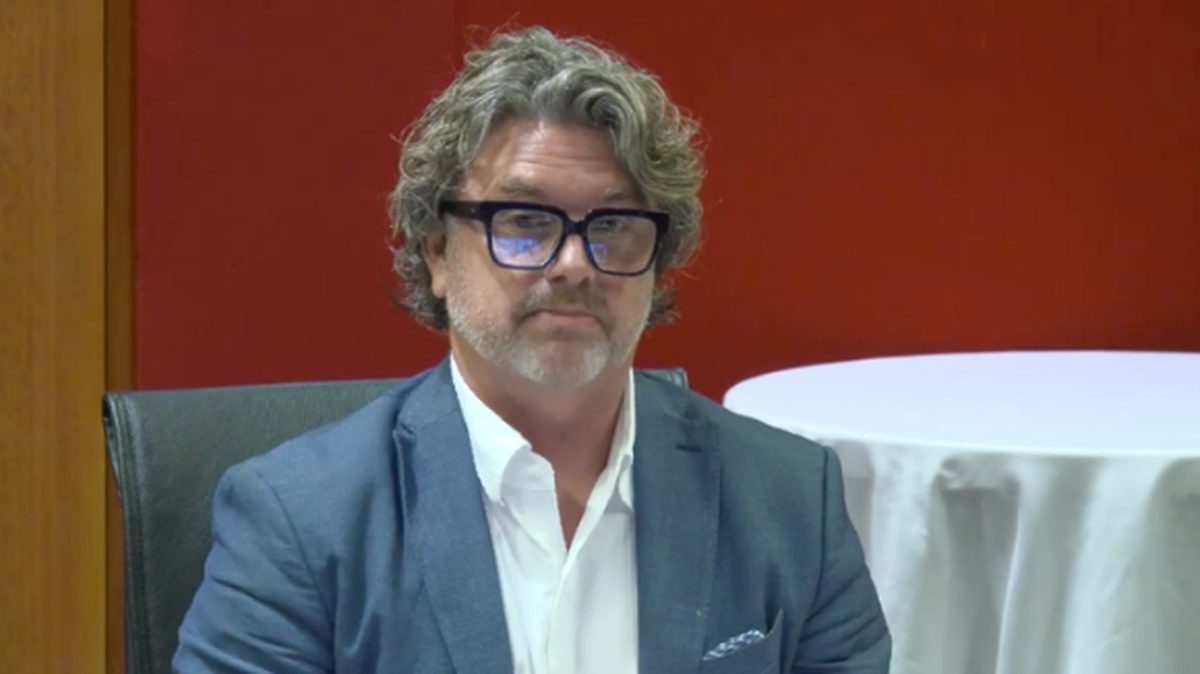

Screen Producers Australia calls for consent and payment in AI rules – Screen Producers Australia has urged a parliamentary inquiry to put consent, compensation and transparency at the centre of Australia’s approach to artificial intelligence and copyright. Its chief executive, Matthew Deaner, says screen producers must know when AI systems use their work and retain meaningful control over that use.
The argument reaches beyond a single script or television programme. Australian producers develop stories, assemble financing, make finished shows and license them to broadcasters and streaming platforms. Each step can involve different creative and commercial rights. SPA says an AI framework that overlooks those relationships could leave the people and businesses behind Australian screen content unable to value or protect it.
The Joint Select Committee on Artificial Intelligence is examining how AI interacts with copyright law, including the use of Australian creative, cultural and media content to train models. That places screen production directly within the inquiry’s remit. The committee is scheduled to report by 30 November 2026; it has not made a final policy recommendation in this inquiry.
Screen Producers Australia’s three AI copyright demands
In his evidence, Deaner set out three linked principles: meaningful consent, reasonable compensation and transparency. SPA wants rights holders to approve uses of copyrighted screen material for AI training, retrieval and other purposes, and to be paid fairly when that material is used.
Transparency is essential to those other demands, SPA argues. Unless producers can find out what content an AI developer has ingested and how a system uses it, they cannot easily assess the value of a licence or enforce their rights. Deaner described the principle simply: “Transparency is fundamental.”
SPA is not calling for screen businesses to reject AI altogether. Deaner said the technology could bring new opportunities to Australian production. However, he cautioned that innovation should not come at the expense of the people and companies whose work helps give AI systems value.
Different protections for large and small producers
The organisation also wants policy to reflect the scale of different rights holders. A larger company may have the resources to negotiate a licence directly with an AI developer. Smaller independent producers and individual creatives may need lower-cost ways to identify unauthorised use, enforce their rights and obtain compensation.
That distinction matters to the Australian television sector, where independent producers often bring projects to networks and streamers through layered funding and licensing agreements. A blanket approach to ownership or payment could miss the people who hold particular rights in a production. SPA says the framework should let innovation proceed while giving those rights holders enough certainty to keep investing in new Australian intellectual property.
Watch Matthew Deaner’s parliamentary evidence
SPA has released a short clip from Deaner’s appearance before the committee. It sets out the organisation’s position in his own words:
For more TV Central coverage of Screen Producers Australia, visit our SPA archive. For the organisation’s public information, visit Screen Producers Australia.
RelatedPosts