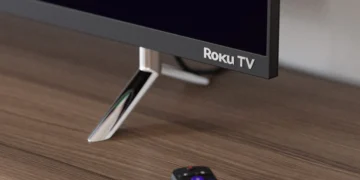

























Fox–Roku deal wins shareholder approval: what it means for Tubi in Australia – Shareholders on both sides have backed Fox Corporation’s proposed US$22 billion acquisition of Roku. The vote moves the deal through a major milestone. The transaction has not closed: regulatory approvals and other conditions remain, with the companies targeting the first half of 2027.
There is a genuine Australian connection. Fox Corporation—not Disney—owns Tubi. The free service operates in Australia and recently expanded its local catalogue. Roku’s TV platform is also available here. But Roku’s own free service, The Roku Channel, is not currently available to Australian viewers. Neither company has announced Australian changes to Tubi or Roku TV.
What shareholders approved
At an October 14 special meeting, Roku investors approved the merger agreement by 241,044,988 votes to 502,927, with 511,598 abstentions. Roku said 81.5% of its outstanding voting power backed the proposal in its US securities filing. Fox Class B shareholders separately approved the issue of shares needed for the transaction, its filing shows.
Fox agreed in June to buy Roku for US$160 per share, comprising US$96 cash and 0.9693 Fox Class A shares. The companies valued Roku at approximately US$22 billion on an enterprise-value basis. On completion, existing Fox shareholders would own about 73% of the combined business; Roku shareholders would own about 27%. Roku founder and chief executive Anthony Wood plans to stay on and join the Fox board after closing.
Why Tubi makes this an Australian story
Tubi is part of Fox Corporation’s Tubi Media Group, not a Disney business. It is already a free, advertising-supported streaming option for Australians. In August, Tubi announced licensing deals with NBCUniversal and Sony Pictures Entertainment. They cover more than 450 films and TV episodes across Australia, Canada and the UK. It cited double-digit growth in Australian viewing. Australian titles include Blockers, Dawn of the Dead, Ex Machina, A Knight’s Tale, Black Hawk Down and Jumanji, with availability due to roll out over the following year.
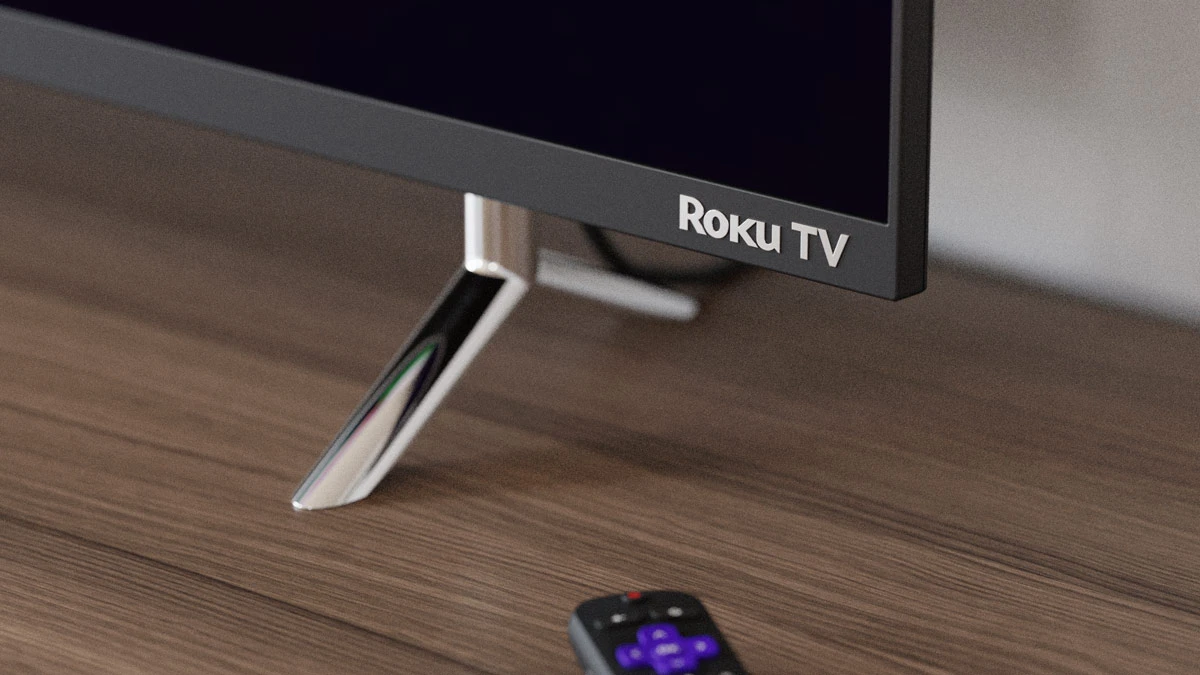
Roku has a different presence here. Its Australian site promotes Roku-powered TVs and lists Tubi among the platform’s apps. The deal therefore connects a TV interface with a streaming service Australians can already use.
The distinction is important. Roku’s support information lists The Roku Channel in the United States, Canada and the UK, and on Roku devices in Mexico. It does not list Australia. The acquisition proposal does not announce an Australian launch for The Roku Channel. Nor does it confirm a merger of that service with Tubi or changes to local apps and content rights.
What happens next?
Fox and Roku still need US and certain non-US regulatory clearances. They must also satisfy the remaining closing conditions. They aim to close in the first half of 2027, but neither the timing nor the outcome is guaranteed. Until then, the shareholder votes represent approval of the deal—not completion of it.
The companies say they intend to keep Roku an open platform for other streaming services. For Australians, this is an ownership and strategy story, not a new viewing offer. Fox already operates Tubi here. It could add Roku’s connected-TV technology and audience relationships if the deal closes. Any specific Australian product, programming or advertising changes would need a separate announcement.
For more TV Central Tubi news, visit our Tubi coverage. Australians can explore the current service at Tubi Australia.
RelatedPosts