


































Neighbours AI microdrama: who should control old TV performances? — Two storylines featuring Margot Robbie as Donna Freedman are being recut from the Neighbours archive into short, vertical episodes for the Epis platform. The announced use of AI-assisted editing has prompted a question that reaches beyond this one soap: what say should performers have when their original work is reshaped for a new product?
For Australian viewers, this is a new way to encounter familiar Neighbours scenes, not a revival with newly filmed episodes. The archive project was announced after the long-running drama ended in 2025. Its first release is planned for Epis, rather than a return to Channel 10’s schedule.
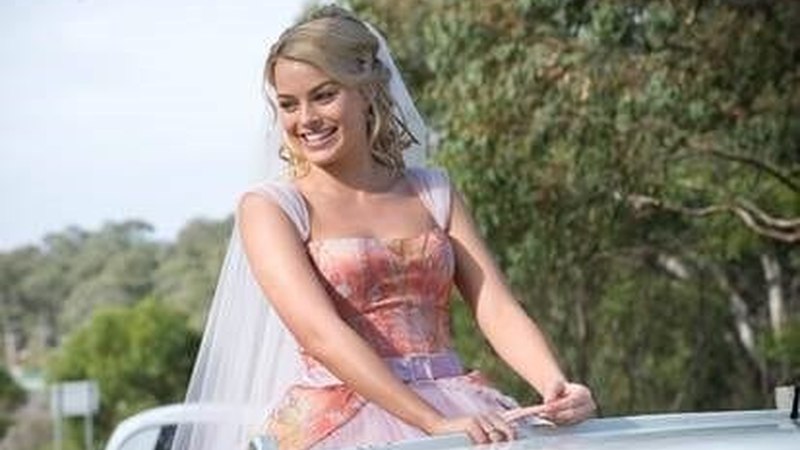
Variety reported that producer and rights holder Fremantle has partnered with RoseBerry Media to adapt two Donna Freedman storylines from Robbie’s 2008–11 run. Together, the vertical micro-episodes are expected to total about 150 minutes. A precise release date for those episodes has not been announced.
What the Neighbours AI microdrama will change
RoseBerry calls its AI-assisted conversion workflow RedSnapper. It is designed to turn existing film and television libraries into mobile-first vertical series. That means adapting footage made for a wide television screen to a narrow phone screen, while recutting scenes into much shorter instalments.
Fremantle’s commercial and international chief executive Jens Richter has presented the partnership as a way to introduce the programme’s archive to new audiences and create fresh commercial opportunities. RoseBerry co-founder Guy Hameiri has described Neighbours as a test of how a long-running television library can work in the vertical format. The companies have not publicly detailed every editing or AI step used on the Robbie material.
Why the performers’ question matters
Former cast member Stefan Dennis has criticised the plan. Mediaweek reported his concern that adapting old performances in this way is invasive. The Media, Entertainment & Arts Alliance has also argued that performers should have a say in, and be compensated for, new AI uses of their work.
Those responses do not establish what any particular Neighbours contract permits. Neither the partnership announcement nor the public reporting reviewed by TV Central sets out consent or payment arrangements for Robbie or other performers whose scenes might be recut. It would be wrong to assume either that permission has been withheld or that every performer has approved the new use.
The distinction matters because archive licensing and performer participation are not the same question. A rights holder can license a programme library, but the way old performances are edited, labelled and sold may still raise separate contractual and ethical issues. Agreements made at different times across a series that ran for four decades may not all address AI-assisted reformatting in the same way.
A wider test for television archives
Microdramas are serial stories designed primarily for phones, usually in brief episodes. The growing market has attracted companies making new material and companies repackaging existing television. Associated Press has reported on the format’s appeal to established entertainment businesses.
Television archives have long been sold for repeats, compilations and clips. The Neighbours deal is more pointed: a recognisable performance will be reframed and restructured for a different screen, rhythm and audience. It could show whether such adaptations attract new viewers. It may also test whether clear labelling and transparent performer arrangements become standard practice.
There is no public basis yet to conclude that the project misuses any specific performance. Equally, the commercial announcement leaves important questions unanswered. Viewers should be able to tell that they are watching recut archive scenes, while performers and their representatives should be able to see how their work will be used.
For more on the programme’s recent history, see TV Central’s report on the Neighbours finale. Fremantle has outlined the archive partnership in its public announcement.