





































Celebrating 10 Years: Melbourne Women in Film Festival Program Announced – The Melbourne Women in Film Festival (MWFF) has unveiled its landmark tenth-year program, marking a decade of championing women and gender-diverse filmmakers from Australia and beyond.
A vital platform for female and non-binary voices on screen, the festival celebrates this milestone with a defiant lineup of world-class features, shorts and special events.
Running from March 19–23 across ACMI and Fed Square, this year’s program continues to bring together bold works from Australia, Aotearoa New Zealand and Pasifika. Over four days, audiences can look forward to premiere screenings, restorations, creator conversations and hands-on workshops—an immersive celebration of diverse perspectives and the homegrown visionaries shaping the screen industry’s future.
“This year’s festival is a really special one for us as we celebrate our 10th anniversary. It’s an opportunity for us to look back at the festival’s achievements and to thank the community of filmmakers, artists, audiences, and volunteers that have helped this festival thrive,”
– said MWFF Festival Director, Sian Mitchell.
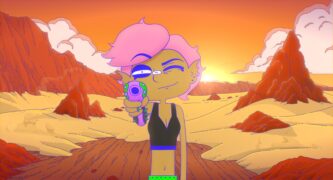
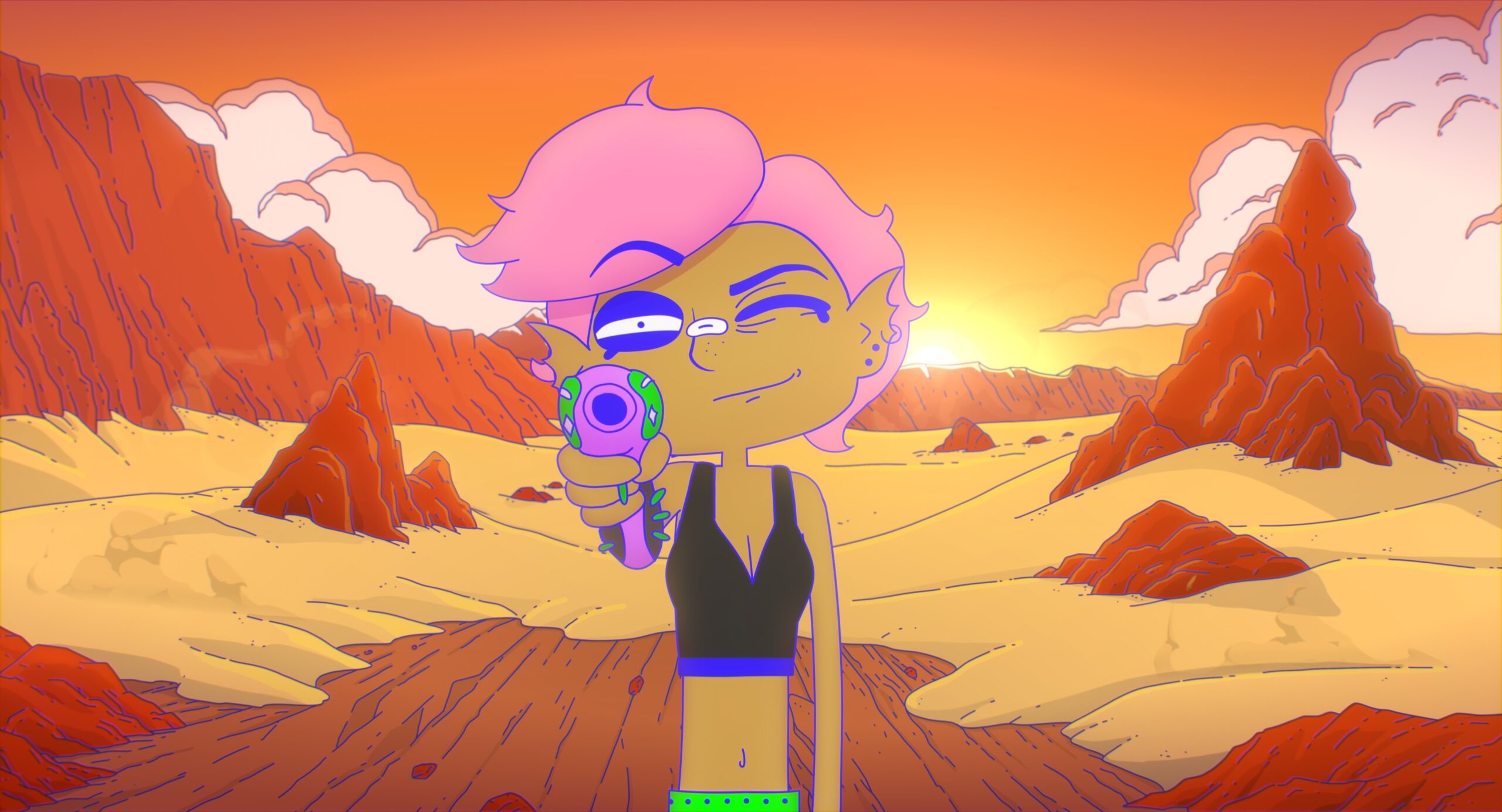
Kicking off the festival’s milestone year, the riotously funny Lesbian Space Princess will light up the big screen at the Opening Night Gala. Australian directors, Emma Hough Hobbs and Leela Varghese have delivered a lovable story of identity and empowerment with their feature debut which was awarded the Teddy Award at its Berlinale premiere – one of the most respected prizes for LGBTQIA+ cinema internationally.
Following introverted lesbian princess Saira as she journeys across the galaxy to rescue her ex from a band of aliens, the film tracks her discovery of confidence and self-worth with absurd humour. Audiences can join the creative team later in the festival for a panel unpacking how the animated feature came to fruition.
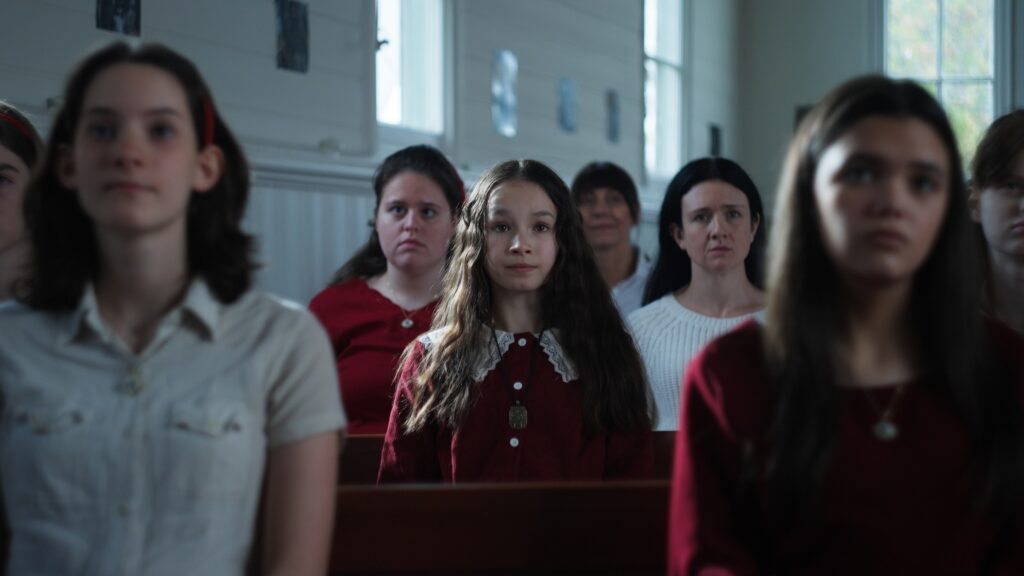
Inspired by true events, The Offing introduces a psychological thriller from first-time feature Melbourne filmmakers, Lily Lunder and Koko Crozier. The film follows two girls who embark on a scenic coastal escape that spirals into chaos as they struggle to outrun their pasts. A striking debut from the duo, who were both 18 years of age when the project began, the film showcases the collective power of young women behind the camera, while its raw and unflinching portrayal of girlhood and female agency exposes the realities shaping women’s lives.
In a special 4K restoration, MWFF co-presents Jane Campion’s electrifying debut feature Sweetie (1989), in partnership with ACMI and the National Film and Sound Archive. A film that shattered the conventions of Australian cinema and announced one of the world’s most distinctive and daring female voices, its restoration reminds us of the importance of bold and uncompromising cinema and its significant presence in history.
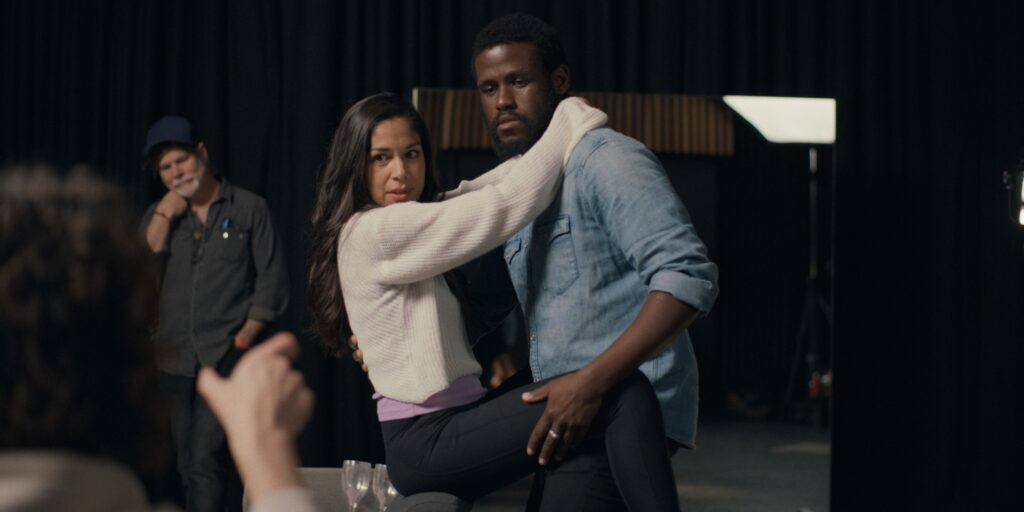
As storytelling on screen continues to navigate complex emotional and physical relationships more deeply, the role of intimacy coordinators has become increasingly vital within the industry. Exploring this, the festival presents Make It Look Real: Inside Intimacy Coordination in Screen Production — a screening of Kate Blackmore’s 2025 documentary followed by a panel discussion with filmmakers, actors and intimacy coordinators on how the field is reshaping production practices across Australian and global screen industries.
The film follows intimacy coordinator Claire Warden as she works with three actors on the set of Tightrope, helping them negotiate boundaries while writer-director Kieran Darcy-Smith shapes the story — revealing a collaborative, consent-driven path for bringing sex and intimacy to the screen.
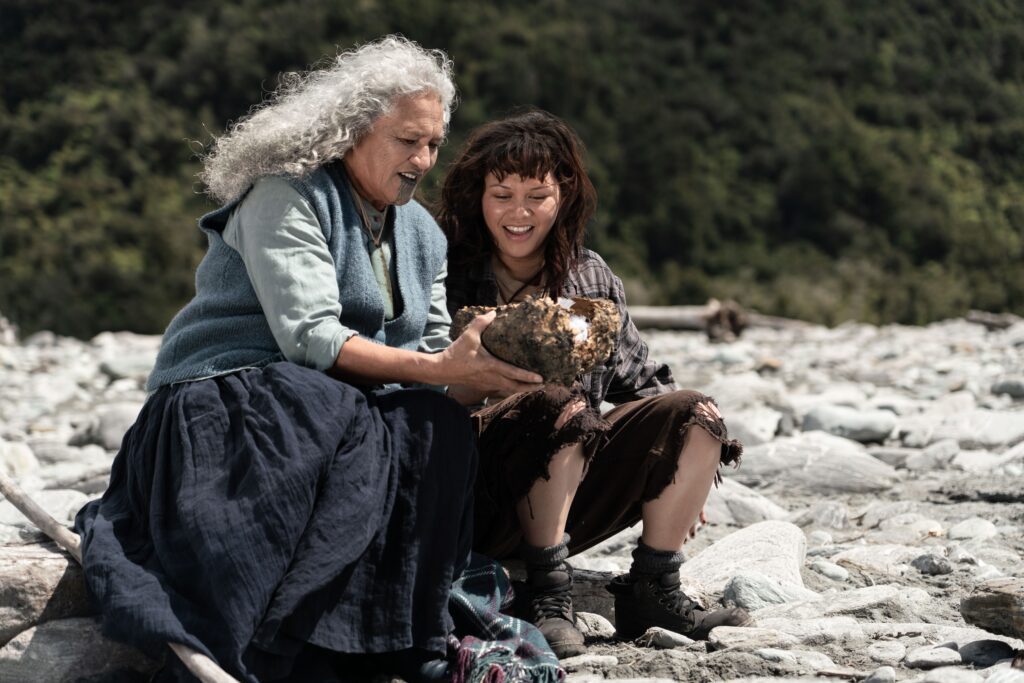
The first feature filmed in the original dialect of East Cape iwi Ngāti Porou, Kōkā marks a major step for Māori language representation on screen and an outstanding feature debut from writer/director Kath Akuhata-Brown.
A lyrical road movie rooted in healing, ancestry and identity, the film has premiered and featured in international festivals including the Hawai‘i International Film Festival and the Māoriland Film Festival, where it won the People’s Choice Award. MWFF’s screening of the film will also be accompanied by Hokia, a short film by India Fremaux following a mother and teenage daughter on a road trip to visit the whānau matriarch.
Elsewhere in the program, MWFF presents an outstanding line-up of short film programs platforming rising talent and storytellers from our region. Freshly Squeezed Shorts 1 and Freshly Squeezed Shorts 2 will each showcase the latest work from women and gender diverse filmmakers across Australia and Aotearoa New Zealand – spanning musical celebrations of country, animated odysseys of colour and texture, the complexities of motherhood and the unexpected joys of connection.
Reel Shorts will bring together a selection of captivating and uplifting documentaries delving into the true and human stories from Australia, Aotearoa New Zealand and the wider Moana — from intimate portraits of artists and communities to stories of returning home and to Country.
Next Gen Shorts will spotlight the next generation of women and gender diverse filmmakers, proving the future of screen culture is in excellent hands, before, Homegrown closes the festival with a celebration of the remarkable talent from within Victoria’s own local screen community.
To celebrate the season of shorts, MWFF’s Awards Presentation & Screening will honour the festival’s short filmmakers with an awards ceremony and screening of the winning films on Sunday 22nd March at ACMI. Featuring industry prizes, from bodies including Women in Film & Television Victoria (WIFT VIC), Jorr and Crayon, the awards support filmmakers in continuing to build their careers.
From a spark of an idea to the galactic screen, Lesbian Space Princess: From Concept to Screen pulls back the curtain on the artistic vision, animation, and creative development that helped shape the festival’s Opening Night feature. For fans, filmmakers, and curious creatives alike, join an honest and inspiring conversation about collaboration, representation and what it really takes to push boundaries in the screen industry.
What Happens After the Film is Made? Discoverability in Australian Screen Culture brings together leading voices to examine the visibility of local work in a rapidly changing industry. As technology and global viewing habits reshape how audiences discover stories, this panel discussion will explore whose work is being seen, why Australian perspectives — especially marginalised ones — matter, and how festivals, criticism, archives, education and independent exhibition support emerging voices. At its core, the discussion will explore what’s at stake when access and representation go unsupported, and how cultural institutions, media and policy can ensure underrepresented Australian work is found, contextualised and valued into the future.
With commissioners playing a pivotal role in shaping what we see on Australian screens and working closely with creators to select and develop their stories, Meet the Commissioners offers a unique chance to hear from our local content commissioners. An opportunity to learn more about what they do and how they help bring Australian stories to life, this panel of industry professionals will explain their place in the Australian screen ecology, demystify the commissioning process, and reveal what they wish creators knew about working with them.
The Lifecycle of Film invites attendees to join 2–3 intimate roundtable conversations led by experts, offering early- and mid-career women and gender-diverse practitioners the chance to ask questions, gain insights into industry roles and processes, and explore the challenges and opportunities in filmmaking through short-form, spontaneous mentorship.
Experience bold stories, fresh voices, and the groundbreaking work of women shaping the future of cinema in this special tenth year celebration of the Melbourne Women in Film Festival. From thought-provoking narratives to bold new voices, the festival remains a vital platform for the stories and storytellers shaping the future of the screen industry.
The Melbourne Women in Film Festival is supported by the City of Melbourne and VicScreen. For more information and tickets visit mwff.org.au.

Media Release – MWFF
TV Central Cinema content HERE
Celebrating 10 Years: Melbourne Women in Film Festival Program Announced